The Blog
Your love stories

Stories
Featured
Read the post
If you’re reading this, you’re most likely planning an elopement—and I want to start by saying there is no wrong way to elope.
As elopements become more popular, I wanted to create a guide to help you navigate your journey with confidence and clarity. This guide is specifically focused on the Western North Carolina region, but the ideas and inspiration can be adapted wherever your story takes you.
A few years ago, I was engaged and planning a wedding of my own. Being young and in love, I quickly realized I couldn’t afford a traditional 20–30k wedding, and honestly, I wasn’t close enough with distant family and friends to justify that kind of expense anyway. That realization led me to my own elopement journey.
Looking back now, with years of wedding experience behind me, I wanted to take everything I’ve learned and turn it into something helpful for others walking the same path.
Every Wedding Journey Starts With a Venue… or Does It?
Eery wedding journey starts with the venue—or at least, that’s what most people think. To be quite honest with you, you don’t actually need a formal venue.
That said, there are some incredible venues in the Asheville area that I would recommend time and time again for your special day.
My top choice would be the Old Edwards Inn & Spa—why? I’m so glad you asked. They specialize in elopements, and their grounds are perfectly designed for intimate celebrations that feel elevated, intentional, and romantic.
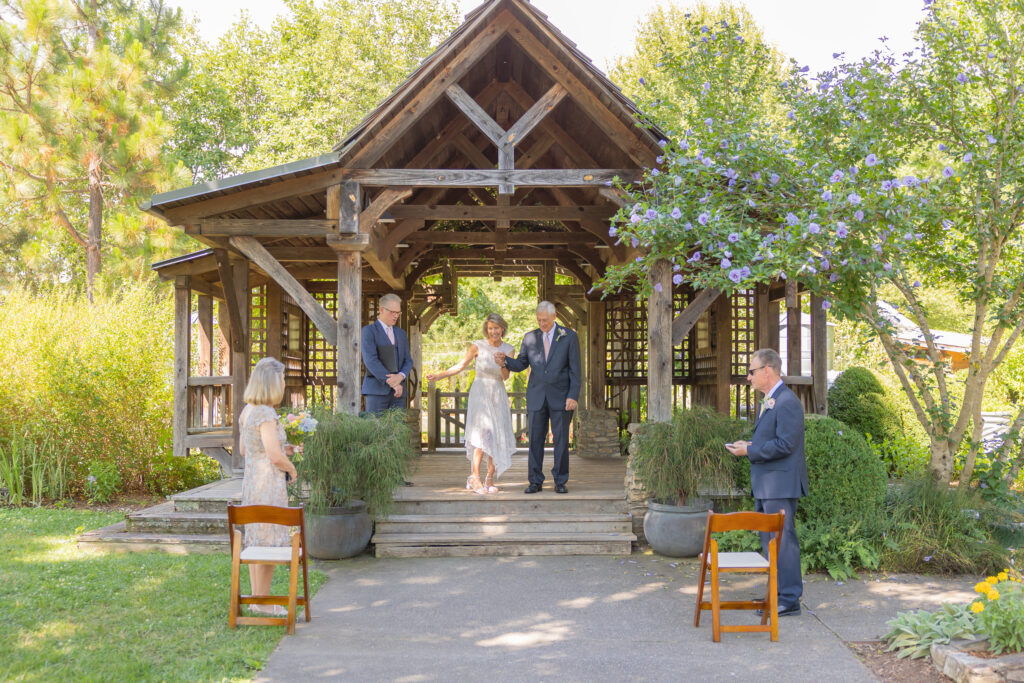
The North Carolina Arboretum is another spot I highly recommend, just like the image above. It offers a beautiful, natural backdrop that changes with the seasons and creates such an effortless, peaceful setting for couples who want something rooted in nature.
And if you’re drawn to something more wild and mountain-focused, places like Craggy Gardens or Max Patch offer those wide-open Blue Ridge views that feel completely cinematic without needing much at all.
Thinking Beyond Traditional Venues (Backyards, Airbnbs & Rentals)
Okay—but circling back to the idea that you don’t need a formal venue.
If you have access to land, like a friend or family member’s backyard, that can be more than enough. Even an Airbnb that allows gatherings or events can be the perfect foundation for your day. These spaces give you something traditional venues often can’t: complete creative freedom.
You get to start from scratch and design the entire experience around your vision. That’s what makes backyard-style weddings and elopements so special. You’re not working within someone else’s layout or rules—you’re building your own atmosphere.
And honestly, that’s where it gets really fun.
You can bring in everything you need to completely transform the space—tents, tables, lounge furniture, string lights, ceremony backdrops, dinner setups, and more. Working with a good planner here makes all the difference, because they can help you pull all the rental pieces together in a way that actually feels cohesive instead of overwhelming.
From layout design to vendor coordination, a planner can take a blank yard or open space and turn it into something that feels intentional, elevated, and fully designed. Whether it’s a sailcloth tent glowing at sunset, a long dinner table under the stars, or a cozy lounge setup for cocktail hour—this is where you get to create something that feels completely your own.
Thinking Through the Experience, Not Just the Location
One of the biggest shifts when planning an elopement is moving away from timelines and traditions and focusing more on experience.
Ask yourself things like:
- Do we want this to feel adventurous or relaxed?
- Do we want privacy or a more accessible location for guests?
- Do we want to include a dinner, a picnic, or a small celebration after?
Your day doesn’t need to follow a traditional structure. It can be slow and intentional. It can start with coffee in the morning, a quiet ceremony in the mountains, and end with a private dinner under the stars.
Permits, Access, and the Unsexy Logistics
I know this part isn’t the most exciting, but it matters. Depending on your location, you may need permits for photography, ceremonies, or gatherings—especially on public lands like national forests or the Blue Ridge Parkway.
If you’re unsure, this is where working with a photographer or planner familiar with the area can make things so much easier. They’ll already know what’s allowed, what’s restricted, and how to guide you through it without stress.
Making It Feel Like “You”
This is the part I care about most. The beauty of elopements is that you’re not trying to impress a room full of people—you’re creating something meaningful for yourselves.
That might look like:
- Writing your own vows privately before the ceremony
- Bringing a bottle of champagne to celebrate afterward
- Wearing something that feels like you, not just tradition
- Choosing a location because it feels emotional, not just photogenic
There’s so much freedom here, and that’s what makes elopements so powerful.
Final Thoughts
Elopements aren’t about doing less—they’re about doing things differently. They strip away everything unnecessary so you can focus on what actually matters: the experience, the connection, and the intention behind it.
Whether you end up in a mountain meadow, a luxury inn, a backyard under string lights, or somewhere completely unexpected, the most important thing is that it feels like your story.
And that’s really all it needs to be.
Read the post
I think one of the reasons I fell in love with photography so early is because I grew up surrounded by it.
If you have spent any time searching for photographers here in Western North Carolina, you may have also come across Wendy Frederick Photography floating around online somewhere. That is not a coincidence. Wendy is my mum, and photography was always quietly woven into my childhood because of her. Some of my favorite memories growing up are tied to the photos she took and the way she documented our lives so intentionally. Looking back now, I think that is where a lot of this started for me long before I ever realized it.
I was the kind of kid who did not just want to live in a moment. I wanted to keep it. I would spend hours watching old home videos and flipping through photo albums, completely fascinated by the idea that you could freeze time without even realizing how important it would become later. The grainy footage, the shaky camera work, the laughter in the background that no one paid attention to at the time, all of it felt meaningful to me.
I loved the feeling that photographs carried more than what was actually visible in the frame. They held emotion, atmosphere, memory, and pieces of stories that you could almost feel even years later.
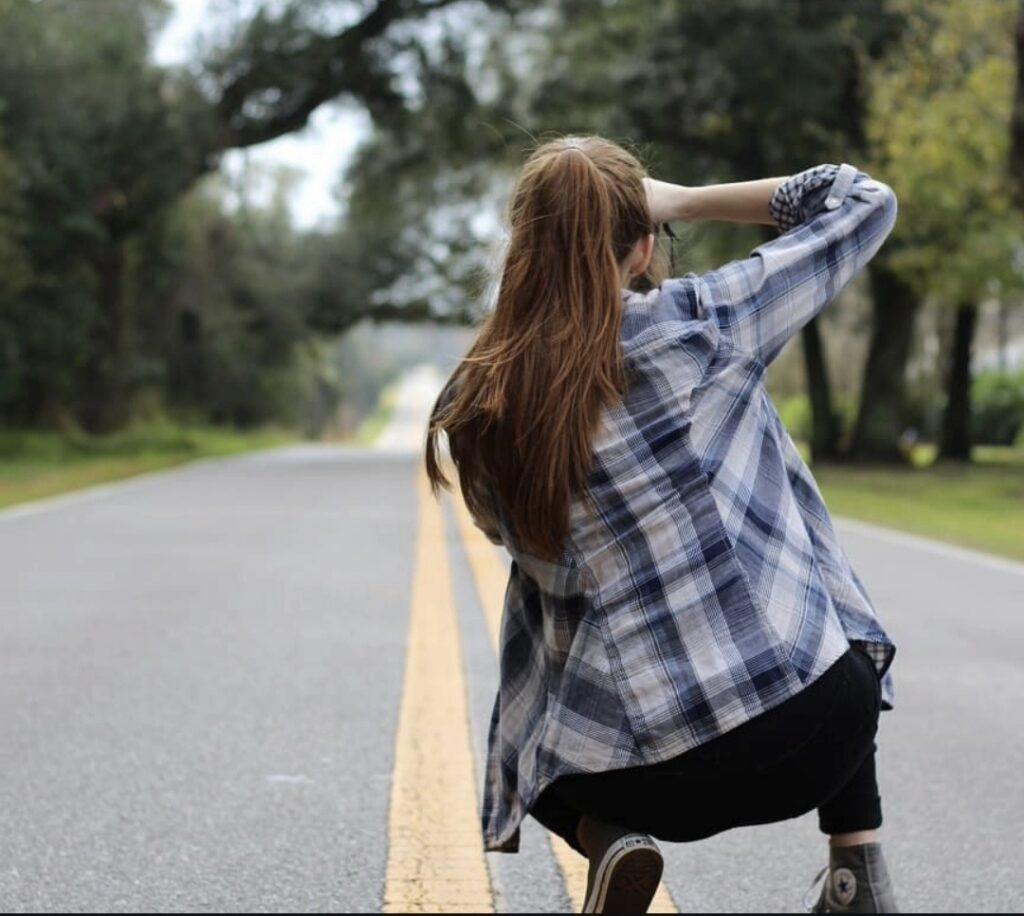
That curiosity followed me into high school when I signed up for an elective photography class. At first, I didn’t think much of it. I just thought it sounded interesting. But once I picked up a camera, I realized I actually enjoyed it.
It changed the way I paid attention to things. I started noticing light, angles, and small details that I normally would have overlooked. Photography made me slow down and look at the world a little differently.
I was hooked.
First Photo
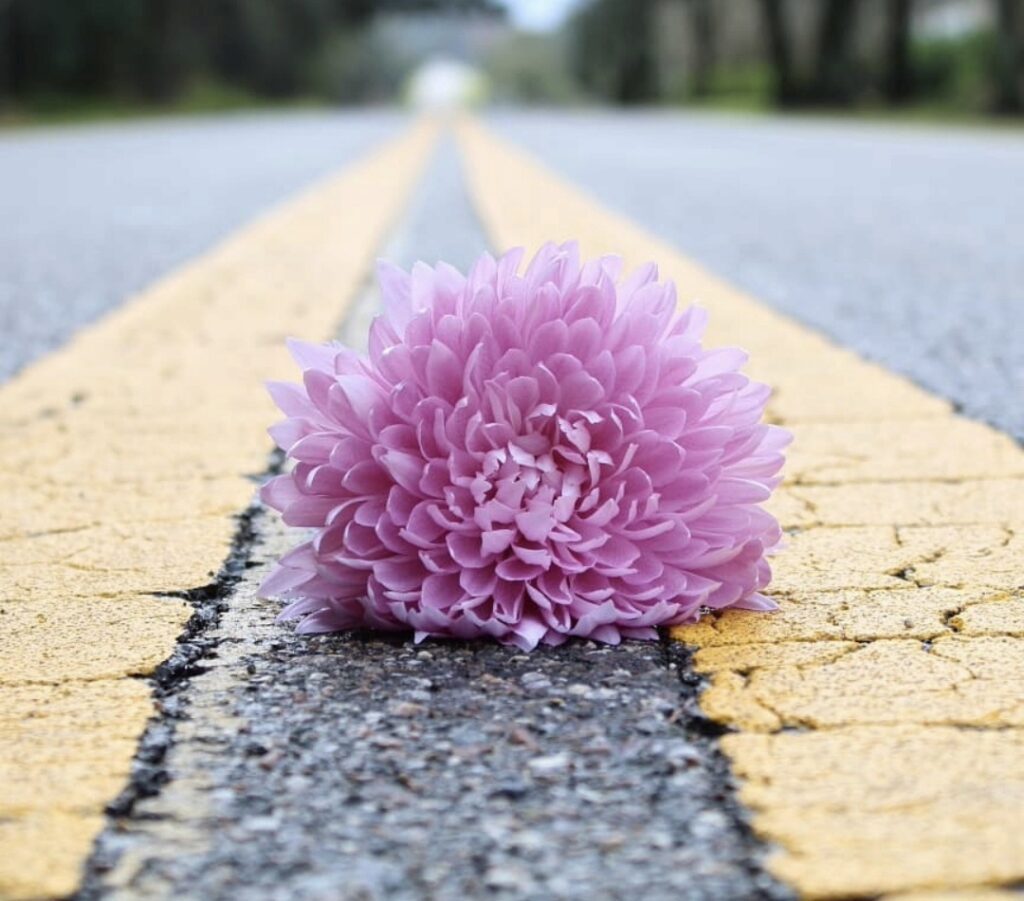
One of the first photos I remember taking is still one of my favorites. I picked a big purple flower from the side of the road and placed it between the two yellow lines before taking the picture. It wasn’t anything complicated, but I liked how the colors stood out against the pavement.
Looking back, I think that photo says a lot about why I enjoy photography. I like taking ordinary things and finding a way to make them interesting. It doesn’t have to be a huge moment or an incredible subject—sometimes it’s just about noticing something simple and seeing what you can create with it.
Starting to be known as the Girl with the Camera
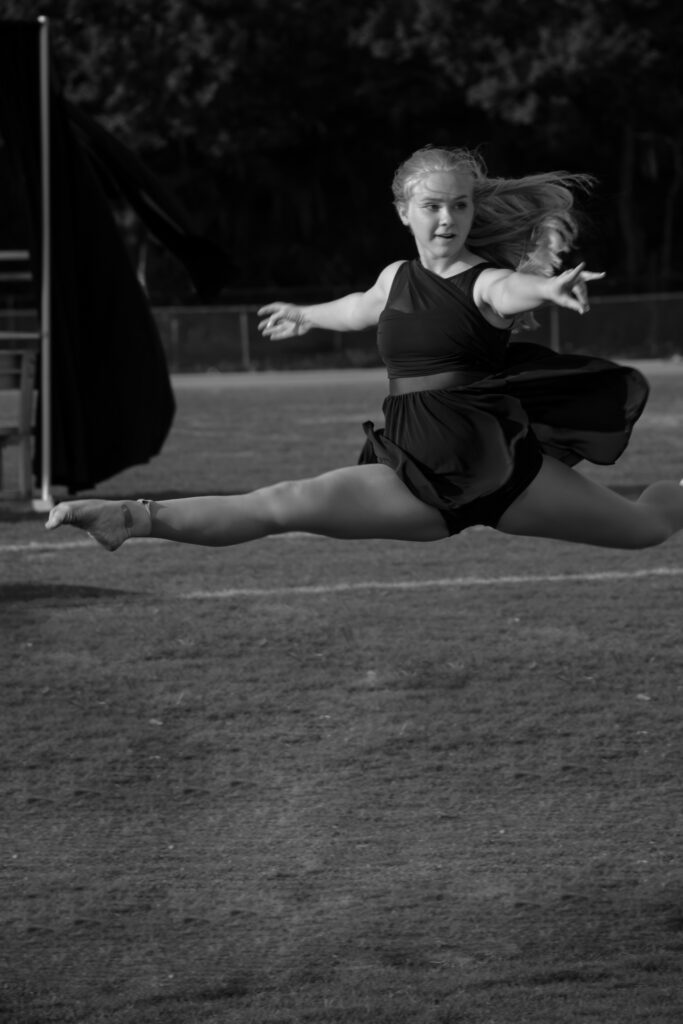
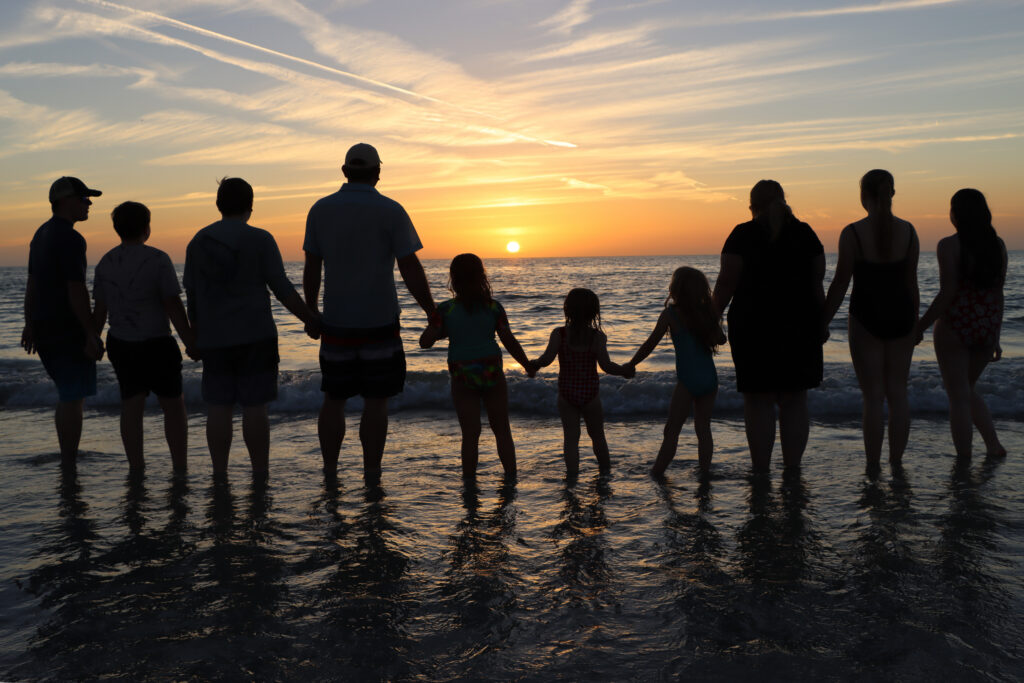
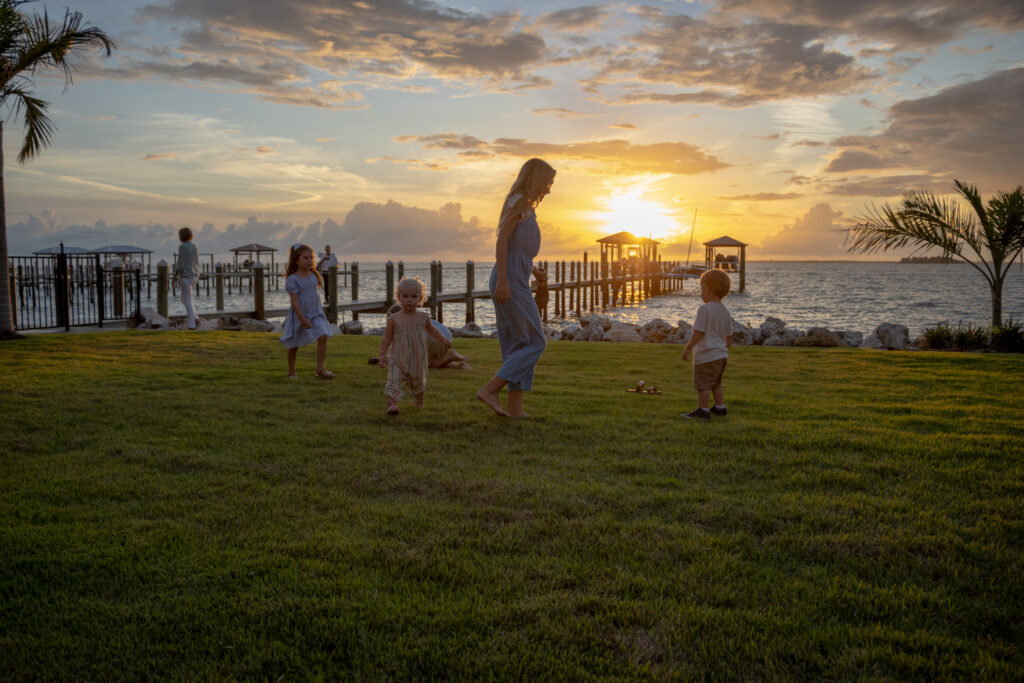
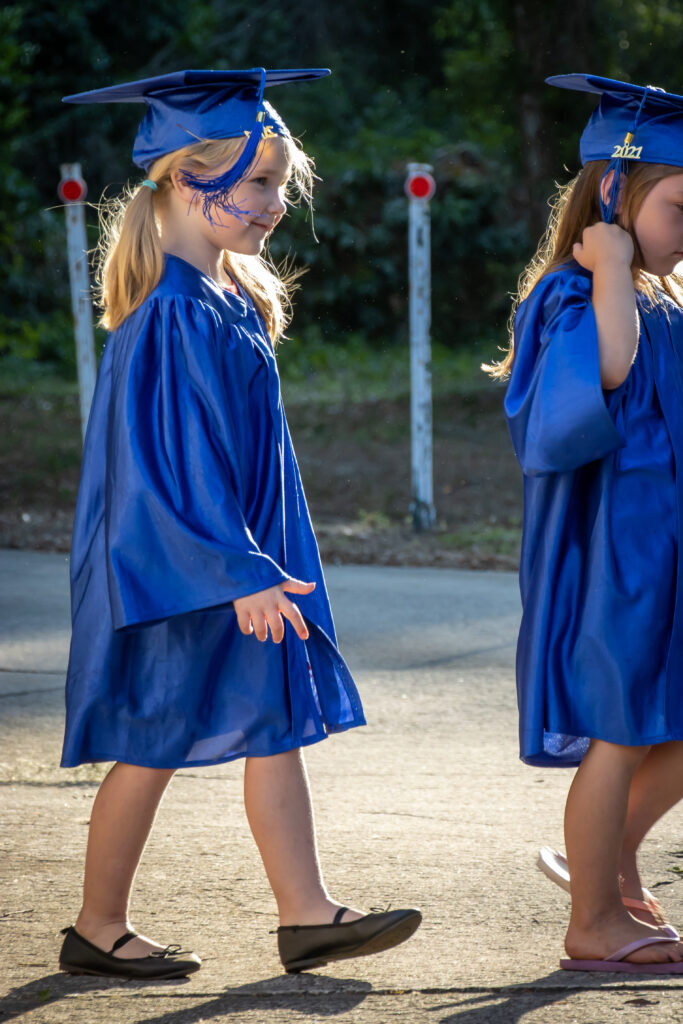
After that, I brought my camera everywhere. Friends, sports games, small moments, random drives, everyday life. I documented constantly without really realizing I was teaching myself at the same time. Eventually people started asking me to bring my camera places, and slowly I became the person documenting memories for everyone around me.
By seventeen, photography had become much more than a hobby. It had started shaping the way I experienced the world.
Traveling out of my hometown
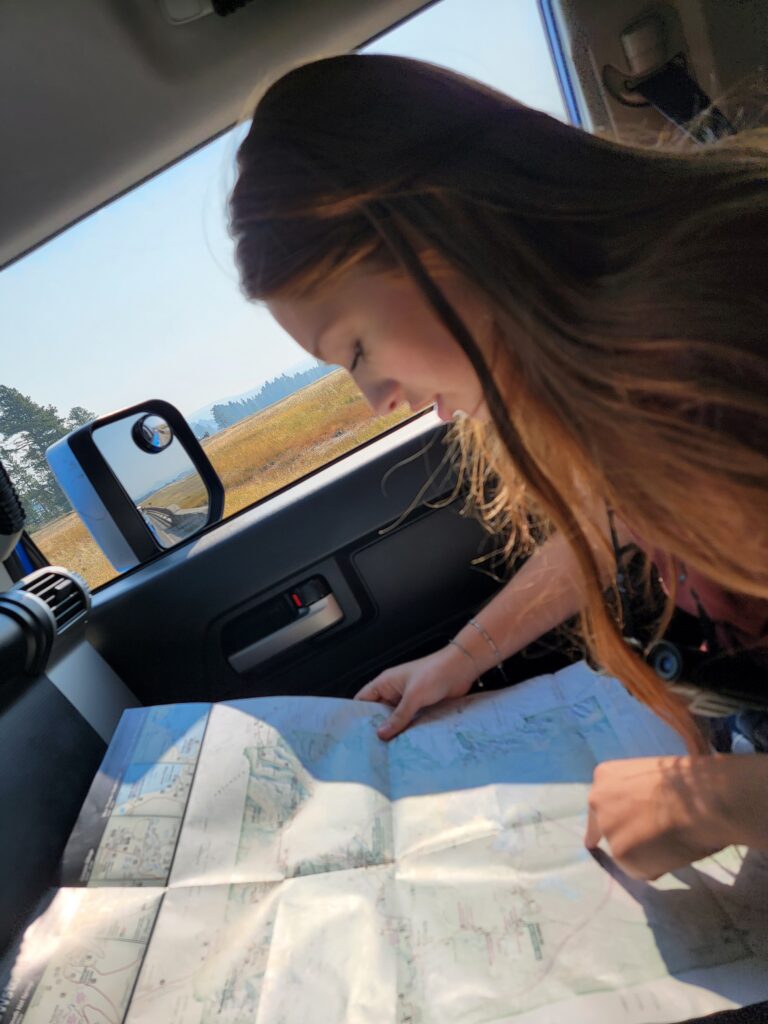
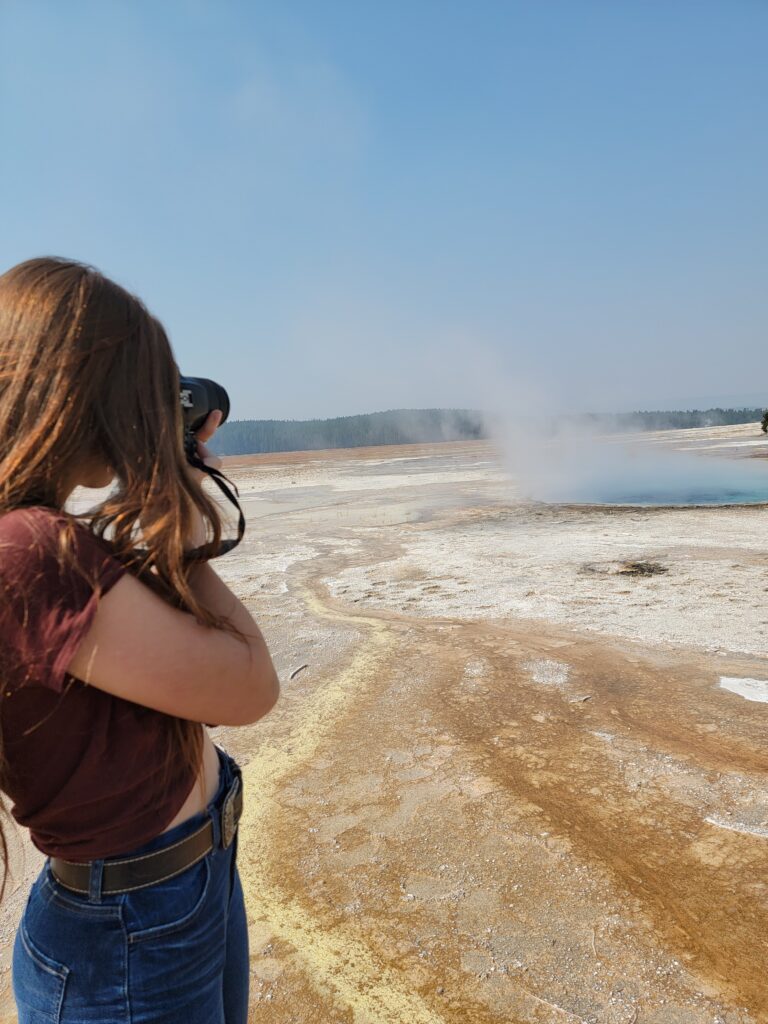
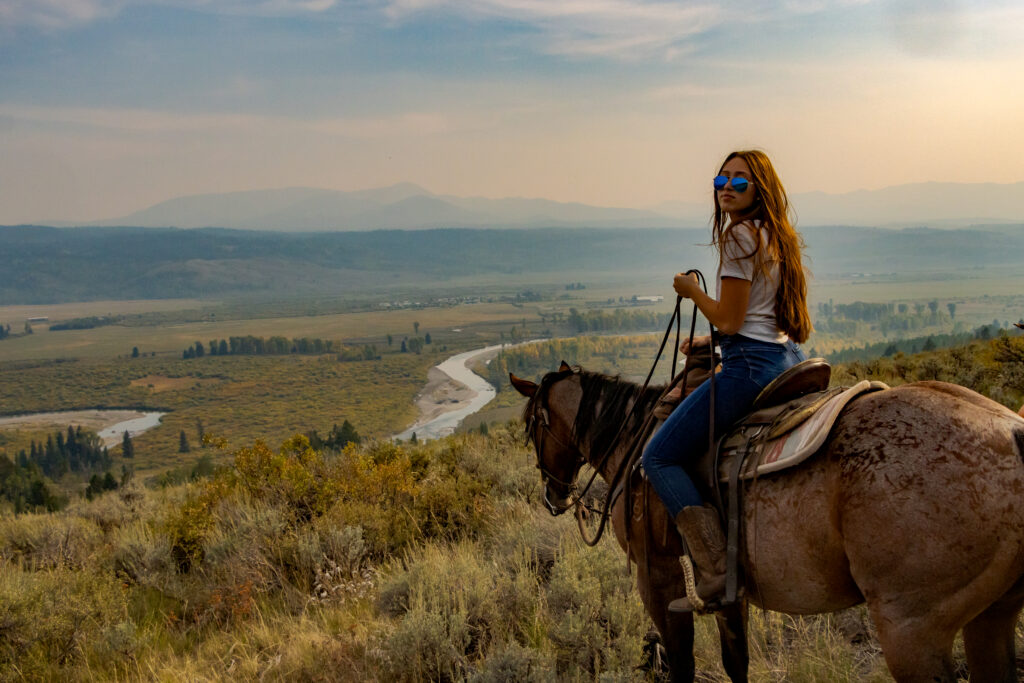
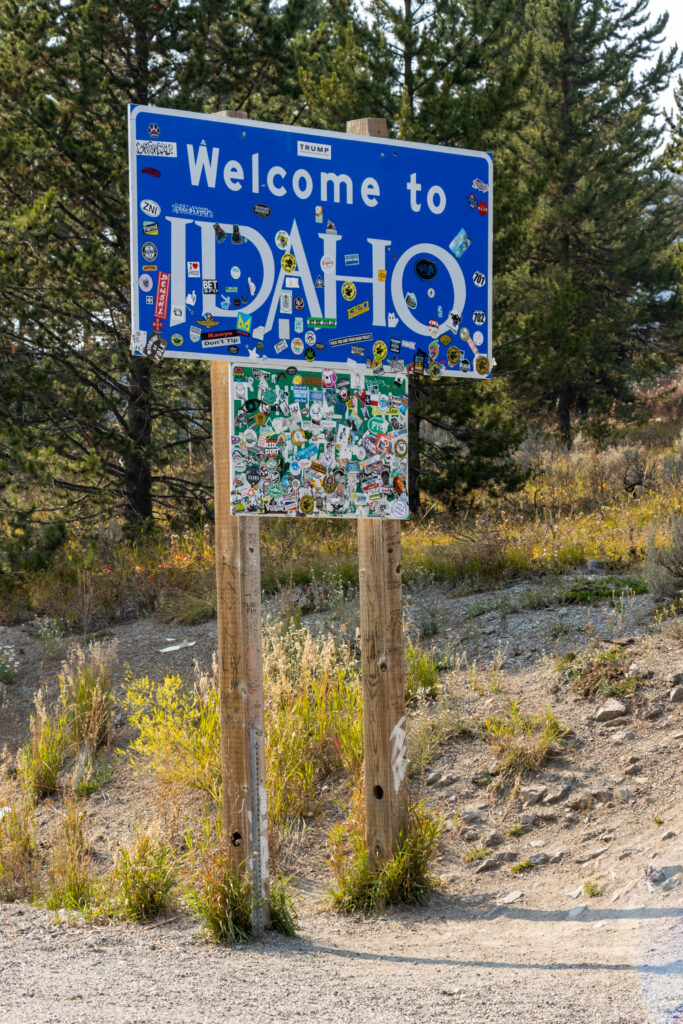
Right before college, my mum and I drove from Florida to Idaho over the course of two weeks, and that trip completely changed me creatively. It was the first time I had really experienced landscapes that made me stop in my tracks. The Grand Tetons barely felt real, and Yellowstone felt alive in every direction. Steam rising out of the earth, colors in the water that looked impossible, wildlife moving through spaces that felt untouched. I remember standing in those places, realizing how massive the world really was and how badly I wanted to capture even a fraction of what it felt like to be there.
College in Idaho
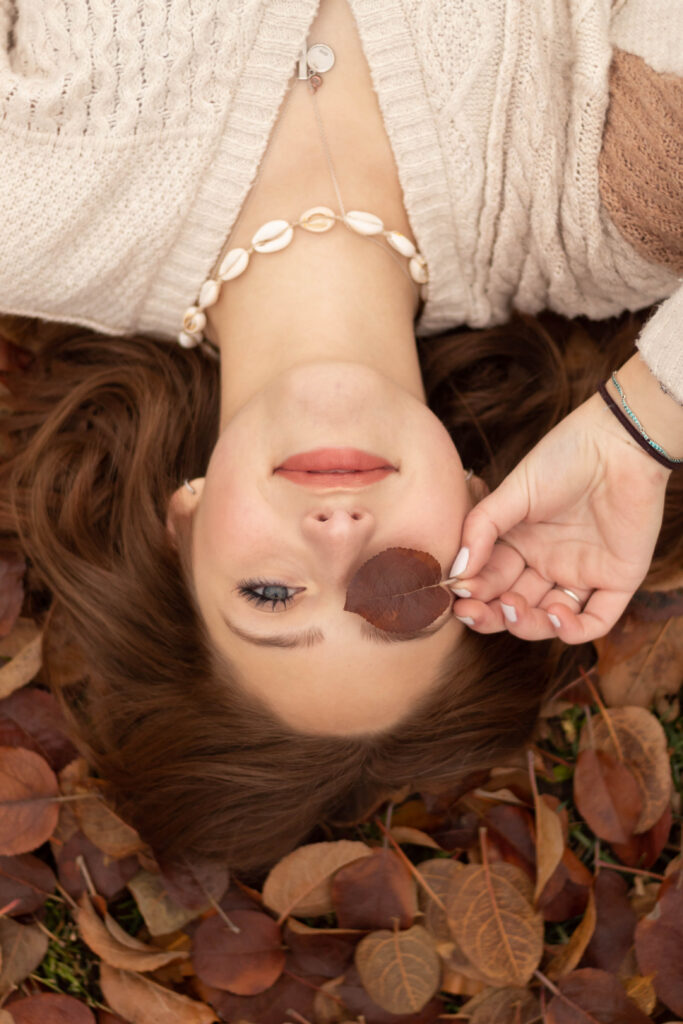
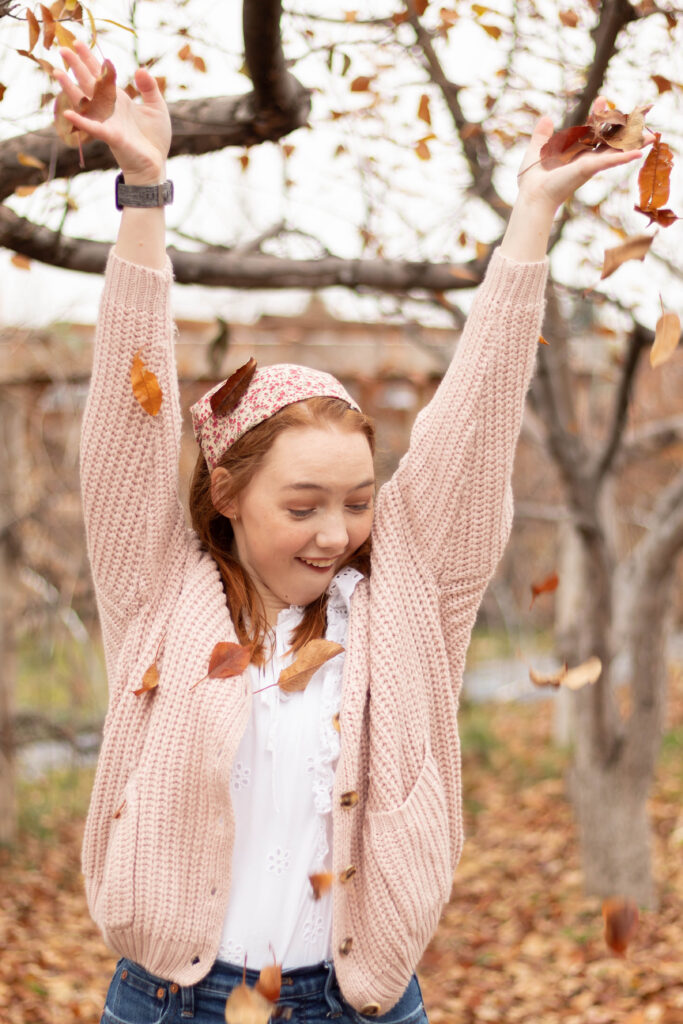
When I got to college, I started working in a photography studio, and that was where I really began learning the technical side of photography. Lighting, composition, posing, studio work, all of the things that happen behind the scenes to intentionally create an image. It challenged me in a completely different way because I had always approached photography more emotionally and instinctively. Learning the structure behind it helped me grow so much.
Getting Into Weddings
After spending some time in college, I eventually moved back to my hometown in Florida. Not long after that, I made another big move to Western North Carolina.
Somewhere between those two moves, I decided I wanted to see if photography could become more than just something I enjoyed. I started reaching out to wedding photographers, asking if I could shadow them and learn however I could.
One of the first people to respond was Nick Levine of Nick Levine Photography. He invited me to shadow three weddings that fall, giving me my first real look at what wedding photography was actually like. Watching how he worked, interacted with couples, and handled the pace of a wedding day taught me more than I could have learned on my own.
Those experiences confirmed that this was the direction I wanted to go, and they’ve shaped the way I approach weddings ever since.
Building a name for myself
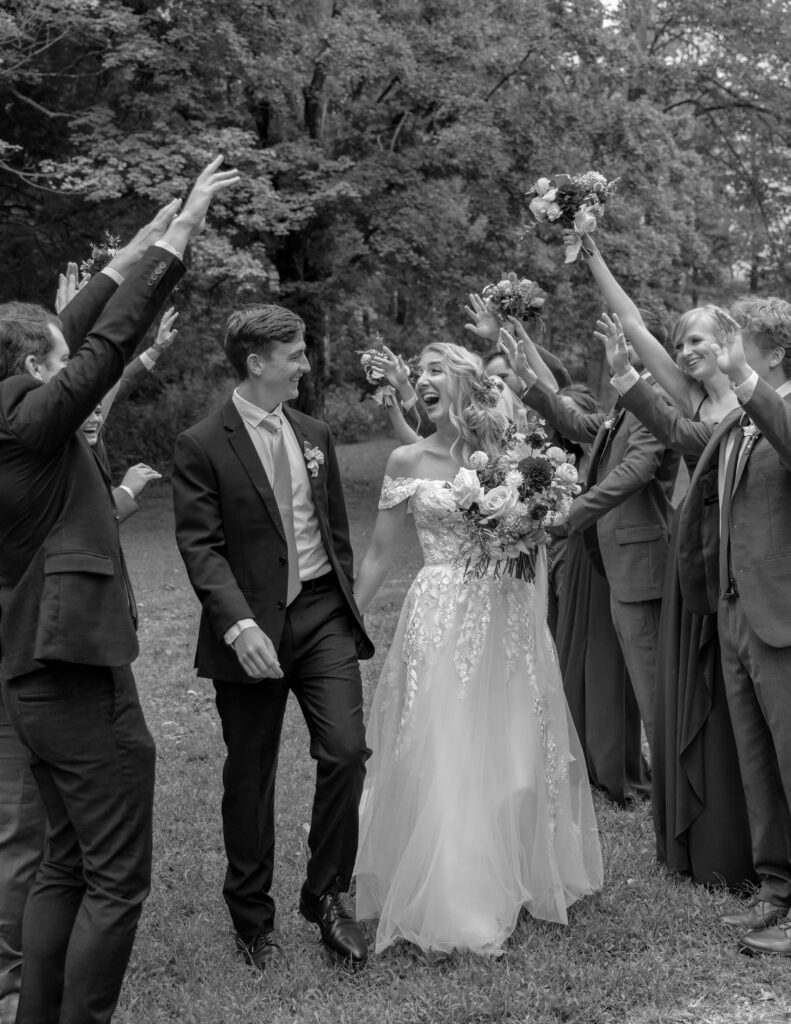
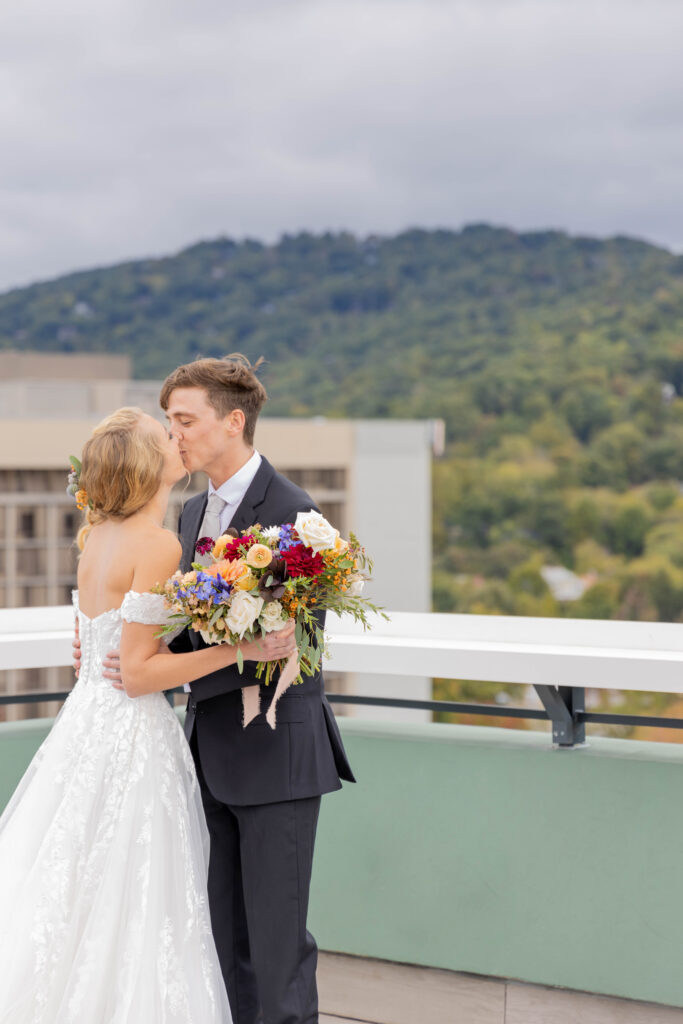
Not long after, I photographed my first wedding on my own.
It was completely different from anything I had done before. Weddings move fast, and there’s always something happening. You have to pay attention, adapt quickly, and anticipate moments before they happen. I loved the challenge of it.
When I got home and looked through the photos, I realized this was what I wanted to keep doing. It combined everything I enjoyed about photography with the opportunity to create something that would matter to people long after the day was over.
From that point on, I knew I wanted to build a career around photographing weddings.
Today
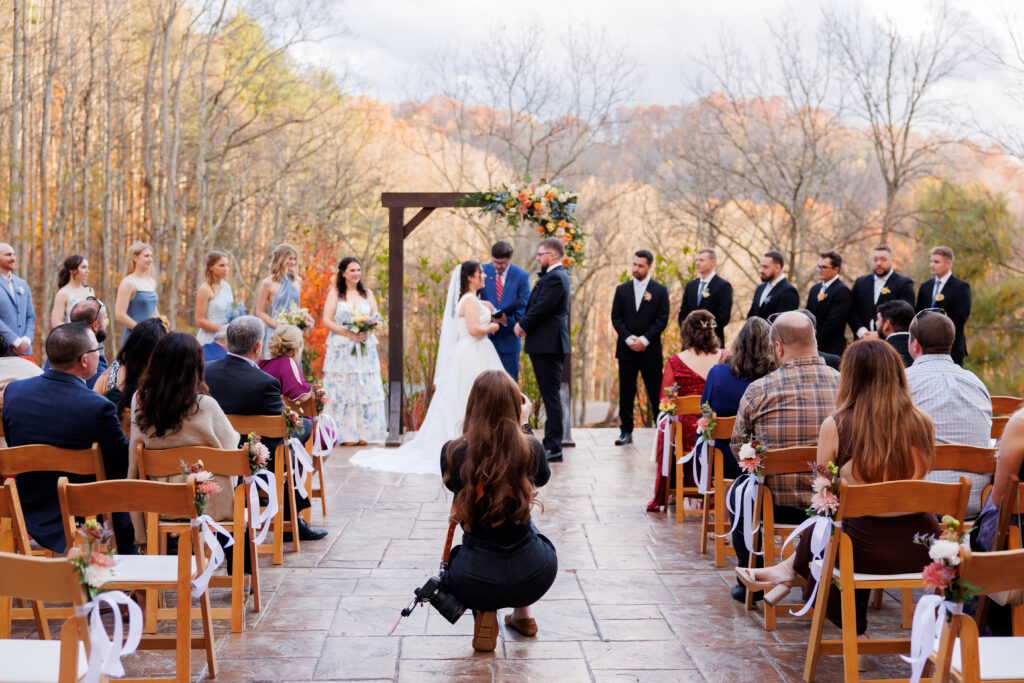
Today, I’ve been photographing weddings for four years, and I still love it just as much as I did when I started. Alongside weddings, I also photograph proposals and graduations, but no matter what I’m documenting, my approach is always the same.
I don’t believe the best photos come from perfect poses or forced smiles. The images that people treasure for decades are the ones where they were fully present—laughing without realizing it, hugging a little longer, wiping away a tear, or getting lost in the moment with the people they love. My goal is to create photos that don’t just show what your day looked like, but remind you what it felt like. I want your children and grandchildren to be able to look through those images one day and feel connected to moments they never got to experience themselves.
My editing style reflects that same philosophy. I’m drawn to true-to-color images with warm, glowy light that feel timeless rather than trendy. I want your photos to look just as beautiful twenty years from now as they do today. You can usually find me chasing the last light of the evening, hoping for one more vibrant sunset, because there’s nothing quite like the way golden hour brings a photograph to life.
Looking back, it’s funny to think that all of this started with a kid who couldn’t stop watching old home videos and flipping through family photo albums. In a lot of ways, that’s still who I am. I know how powerful a photograph can be, and it’s an incredible privilege to create images that people will carry with them for the rest of their lives.